

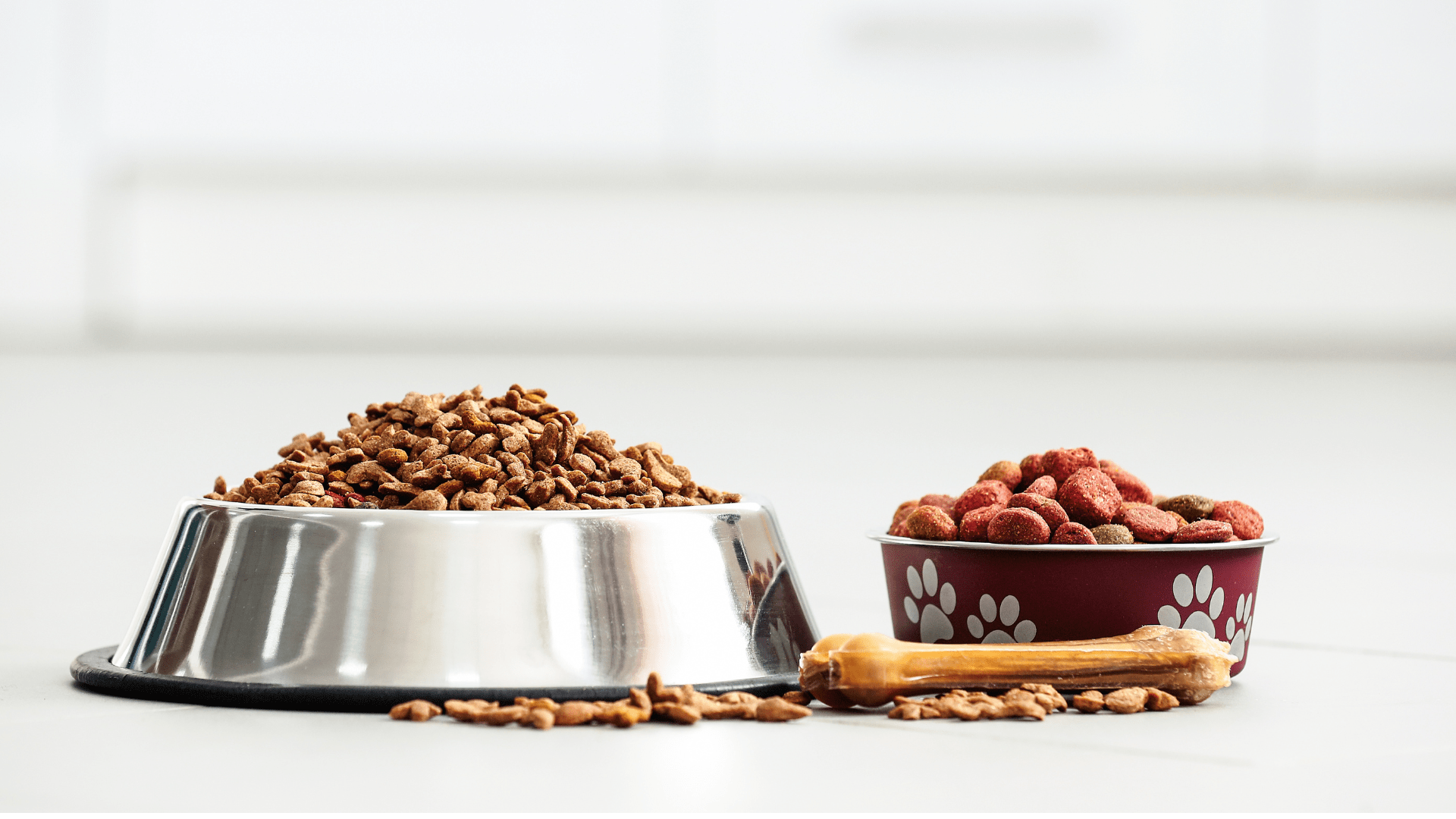
Your dog’s diet should match their life stage. Here’s how to feed puppies, adults, and seniors for health and longevity.
Feeding Puppies for Growth
Puppies grow at an incredible pace, so their diet needs to be rich in protein, healthy fats like omega-3s, and essential minerals such as calcium and phosphorus. These nutrients support bone, muscle, and brain development. Puppy-specific formulas are ideal, and meals should be given three to four times a day to match their high energy needs.
Adult Dogs: Balanced Nutrition for Maintenance
Once your dog reaches adulthood, their nutritional needs shift to maintaining energy and overall health without causing weight gain. A balanced diet with moderate protein, healthy fats, and digestible carbohydrates is key. One or two meals a day, tailored to your dog’s activity level and metabolism, works best at this stage.
Senior Dogs: Supporting Health in Later Years
Senior dogs, typically over age seven for most breeds, have slower metabolisms and may require fewer calories. Diets lower in fat but rich in joint-supporting supplements like glucosamine, and antioxidants for immunity, are ideal. Softer foods may also help if dental issues arise. Feeding appropriately for each life stage helps ensure long-term health and a better quality of life.